4 Dangerous Myths About Psychosocial Safety Compliance in Australia
90% of Australian employers are unprepared for new psychosocial safety laws. These 4 persistent myths could cost your business millions in penalties and talent loss. Learn what the law actually requires and turn compliance into competitive advantage.
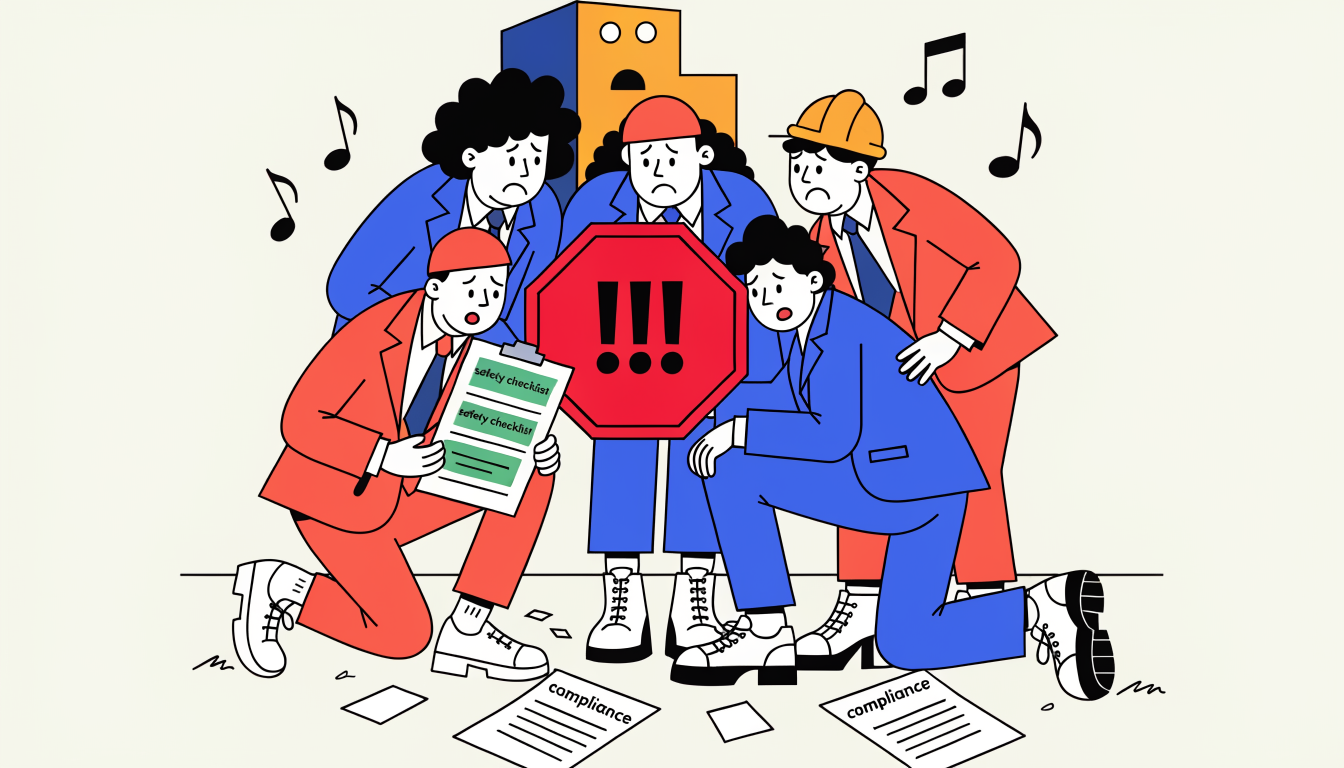
What if I told you that psychosocial safety compliance just became as legally enforceable as wearing a hard hat on a construction site?
You've probably heard colleagues discussing the new workplace mental health laws. But there's a dangerous gap between what Australian employers think they need to do and what the law actually requires. Over 90% of Australian employers are unprepared for new psychosocial safety legislation.
Much of this stems from persistent myths that could cost your organisation millions.
The stakes couldn't be higher. Psychological injury claims already cost Australian employers $543 million annually - and that's before the new enforcement mechanisms take full effect.
Let's demolish the four most dangerous myths leaving Australian businesses exposed.
Myth 1: EAP Programs Equal Legal Protection
The conventional wisdom says if you've got an Employee Assistance Program, you're covered for workplace mental health laws. This couldn't be further from the truth.
The Reality: EAPs are reactive band-aids, not proactive hazard management systems. The law requires you to identify, assess, and control psychosocial hazards before they harm employees - not just provide counselling after the damage is done.
Here's the kicker: [Only 3% of employees use traditional EAP services](). Even if EAPs were compliant (they're not), they're failing to reach 97% of your workforce.
Meanwhile, proper compliance requires documented risk assessments, control measures, and ongoing monitoring - none of which an EAP provides.
The Truth: EAPs are one small piece of a much larger puzzle. Legal protection demands proactive hazard identification, documented risk assessments, and measurable control strategies.
Myth 2: It's Just About Bullying and Harassment
You've probably heard that psychosocial safety is just a fancy term for anti-bullying policies. This narrow view is leaving organisations massively exposed.
The Reality: Australian WHS psychological hazards legislation defines 14 specific hazards. Bullying is just one of them.
The law covers workload demands, role clarity, organisational change, job control, workplace relationships, recognition and reward, organisational justice, traumatic events, remote work, poor physical environment, violence and aggression, harassment, conflict, and job insecurity.
That means your Monday morning team restructure could trigger legal requirements. Your end-of-quarter deadline crunch too. Even your open-plan office layout.
76% of Australian workers report experiencing workplace stress that impacts their mental health. This indicates just how widespread these hazards are.
The Truth: Compliance requires assessing every workplace practice through a mental health lens - from workload distribution to change management processes.
Myth 3: Small Businesses Are Exempt
The most dangerous myth of all? That these laws only apply to big corporations with deep pockets.
The Reality: Work Health and Safety laws apply to all Persons Conducting a Business or Undertaking (PCBUs) regardless of size. A three-person startup has the same legal obligations as a multinational corporation.
Penalties may scale, but obligations don't.
Even more concerning: company officers face personal liability for breaches. That means directors and senior managers can be held personally responsible, regardless of company size.
Here's the data that should wake up every small business owner: SMEs account for 67% of psychological injury claims despite representing 97% of businesses.
Small businesses are disproportionately affected, not protected.
The Truth: Size offers no protection. Small business owners face the same requirements and potentially devastating personal liability.
Myth 4: Mental Health Is Still Optional
Many employers still think workplace mental health initiatives are "nice-to-have" wellness programs. This mindset is now legally dangerous.
The Reality: Psychosocial safety compliance is mandatory under Work Health and Safety laws. It's not optional wellness. It's enforceable legislation with serious penalties.
Penalties for breaches can reach $3.95 million for corporations. Individual officers face up to $790,000 in fines and potential jail time.
But financial penalties are just the beginning.
The hidden costs are often more devastating:
Reputation damage in an era where employer brand directly impacts talent acquisition
Talent hemorrhaging to competitors who prioritise psychological safety
Insurance premium increases and potential policy exclusions
Productivity losses from stressed, disengaged teams
The Truth: Mental health protection is now a legal requirement, not a wellness nice-to-have.
The Real Cost of Getting This Wrong
Here's where the conversation gets uncomfortable, but necessarily so.
Meanwhile, organisations getting this right are seeing significant competitive advantages. Companies with strong psychosocial safety see 23% higher employee retention - a massive edge in today's talent market.
The cost of compliance is a fraction of the cost of non-compliance, both financially and competitively.
What This Means for Your Organisation
If you're feeling overwhelmed, you're not alone. The shift from viewing mental health as a "nice-to-have" wellness initiative to a legal requirement has caught most organisations off-guard.
The organisations that will thrive are those that move quickly to build proper risk assessment frameworks, implement documented control measures, and create ongoing monitoring systems.
At Data Sentry Recruitment, we're seeing forward-thinking organisations use their mental health protections as a competitive differentiator in talent acquisition. When top candidates are choosing between offers, workplace psychological safety is increasingly becoming the deciding factor.
The question isn't whether you can afford to prioritise psychosocial safety compliance - it's whether you can afford not to.
Ready to turn legal requirements into competitive advantage? Our team understands both the compliance obligations and the talent implications. We'll get back to you with specific insights for your industry and organisation size.